- English
- French
- German
- Portuguese
- Spanish
- Russian
- Japanese
- Korean
- Arabic
- Greek
- German
- Turkish
- Italian
- Danish
- Romanian
- Indonesian
- Czech
- Afrikaans
- Swedish
- Polish
- Basque
- Catalan
- Esperanto
- Hindi
- Lao
- Albanian
- Amharic
- Armenian
- Azerbaijani
- Belarusian
- Bengali
- Bosnian
- Bulgarian
- Cebuano
- Chichewa
- Corsican
- Croatian
- Dutch
- Estonian
- Filipino
- Finnish
- Frisian
- Galician
- Georgian
- Gujarati
- Haitian
- Hausa
- Hawaiian
- Hebrew
- Hmong
- Hungarian
- Icelandic
- Igbo
- Javanese
- Kannada
- Kazakh
- Khmer
- Kurdish
- Kyrgyz
- Latin
- Latvian
- Lithuanian
- Luxembou..
- Macedonian
- Malagasy
- Malay
- Malayalam
- Maltese
- Maori
- Marathi
- Mongolian
- Burmese
- Nepali
- Norwegian
- Pashto
- Persian
- Punjabi
- Serbian
- Sesotho
- Sinhala
- Slovak
- Slovenian
- Somali
- Samoan
- Scots Gaelic
- Shona
- Sindhi
- Sundanese
- Swahili
- Tajik
- Tamil
- Telugu
- Thai
- Ukrainian
- Urdu
- Uzbek
- Vietnamese
- Welsh
- Xhosa
- Yiddish
- Yoruba
- Zulu
EN Flanges
Material: Carbon Steel, Stainless Steel, Alloy Steel, Duplex Stainless Steel
Thickness: According to EN Standard and Customer Requirements
Standard: EN 1092-1 and Related European Standards
Pressure Range: PN2.5, PN6, PN10, PN16, PN25, PN40, PN63, PN100, PN160
Flange Face Type: Flat Face, Raised Face, Tongue & Groove, Male & Female
Connection: Weld Neck, Slip On, Threaded, Lap Joint, Loose or Blind
Manufacturing Process: Forging and Machining
EN Flanges are standardized pipe connection components manufactured according to European flange specifications, especially EN 1092-1. They provide consistent dimensions, reliable sealing performance, strong mechanical properties, and excellent compatibility for European and international piping systems.
EN flange standards define nominal diameters, pressure ratings, flange types, sealing surfaces, bolt-hole arrangements, and material requirements. Common EN flange designs include Weld Neck Flanges, Plate Flanges, Blind Flanges, Threaded Flanges, Loose Flanges, and Lap Joint Flanges.
EN Flanges are widely used in oil and gas, petrochemical, chemical processing, power generation, water treatment, marine engineering, HVAC, machinery manufacturing, and general industrial piping systems.
EN Flanges Descriptions
EN Flanges are pipeline connection components manufactured according to European standards. EN 1092-1 is one of the most widely used specifications for steel flanges and defines flange dimensions, nominal pressure ratings, flange types, sealing faces, bolt-hole patterns, and related technical requirements.
Depending on operating pressure, temperature, medium, and installation requirements, EN Flanges can be manufactured from carbon steel, stainless steel, alloy steel, and duplex stainless steel
| Parameter | Description |
| Pressure Rating | PN6,PN10,PN16,PN25,PN40 |
| Flange Size Range | DN15-DN2000 |
| Flange Type | 01Flat Flange, 02Flat Welding Flange with Neck, 03Flat Welding Flange with Neck, 04Flat Loose Sleeve Flange with Neck, 05Large Diameter Flat Flange, 06Large Diameter Flat Welding Flange with Neck, 07Large Diameter Flange with Neck Butt Welding Flange with Neck, 11Integral Flange, 12Flange Cover, 13Lining Flange, 14Flange Receiver, 15Personal Hole, 16Flange Shaft, 17Reducing Flange, 21Rotating Flange, 22Screwing Flange with Neck 23 Butt-welding ring loose flange, 24 Flat-welding ring loose flange, 25 Flap ring loose flange, 26 Butt-welding ring, 27 Flat-welding ring, 32 Blind plate, 33 Blind flange, 34 Stud ring, 35 Welded head, 36 Flat plate head, 37 Pressure ring. |
| Sealing surface | Flat Face(FF), Raised Face(RF), Male and Female Face(MF), Tongue and Groove Face(TG), Ring Joint Face(RJ) |
| Flange Material | Carbon Steel, Stainless Steel, Alloy Steel, etc. |
| Connection | Bolt, Weld, and Threaded Flange Surface treatment |
| Surface treatment | Anti-corrosion coating, painting, nickel plating or other coatings |
| Production process | Forging and casting |
| Inspection standard | Dimension and tolerance testing, surface quality testing, material testing, sealing testing, pressure testing, non-destructive testing, and more. |
| Marking | Marking of flanges with the manufacturer, size, pressure, dimensions, material steel number, etc. |
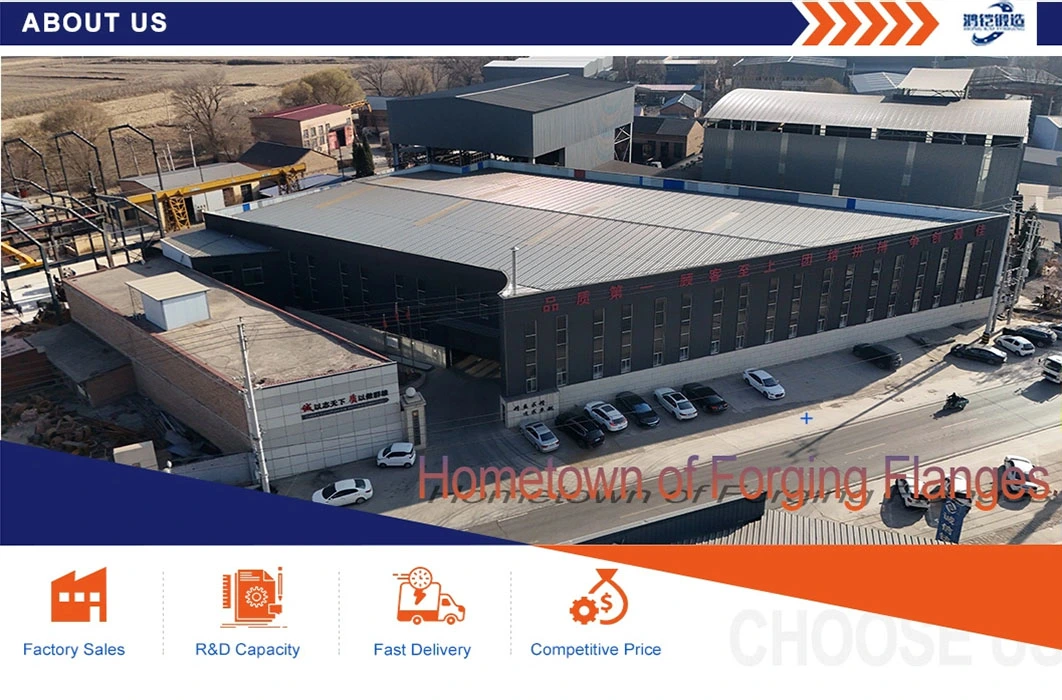
Advantages of EN Flanges
Standardized European Dimensions
EN Flanges are manufactured according to standardized European dimensional requirements. Outside diameter, flange thickness, bolt circle, bolt holes, bore, and sealing dimensions are clearly defined, helping ensure interchangeability within compatible piping systems.
Reliable Sealing Performance
Precision-machined sealing surfaces provide stable gasket contact and dependable pipeline sealing. Different facing configurations can be selected according to pressure, temperature, fluid medium, and operating conditions.
Wide Pressure Range
EN Flanges are available in a broad range of nominal pressure ratings, from low-pressure PN2.5 and PN6 systems to high-pressure PN100 and PN160 applications, depending on flange design and size.
Multiple Flange Types
EN 1092-1 covers multiple steel flange designs for different installation requirements, including Weld Neck, Plate, Blind, Threaded, Loose, and other flange configurations.
Broad Material Selection
EN Flanges can be manufactured from carbon steel, stainless steel, alloy steel, duplex stainless steel, and other special materials for corrosive, high-temperature, high-pressure, and demanding industrial environments.
Easy Installation and Maintenance
Standardized bolt patterns and dimensions simplify installation, disassembly, inspection, replacement, and maintenance, helping reduce installation time and long-term operating costs.
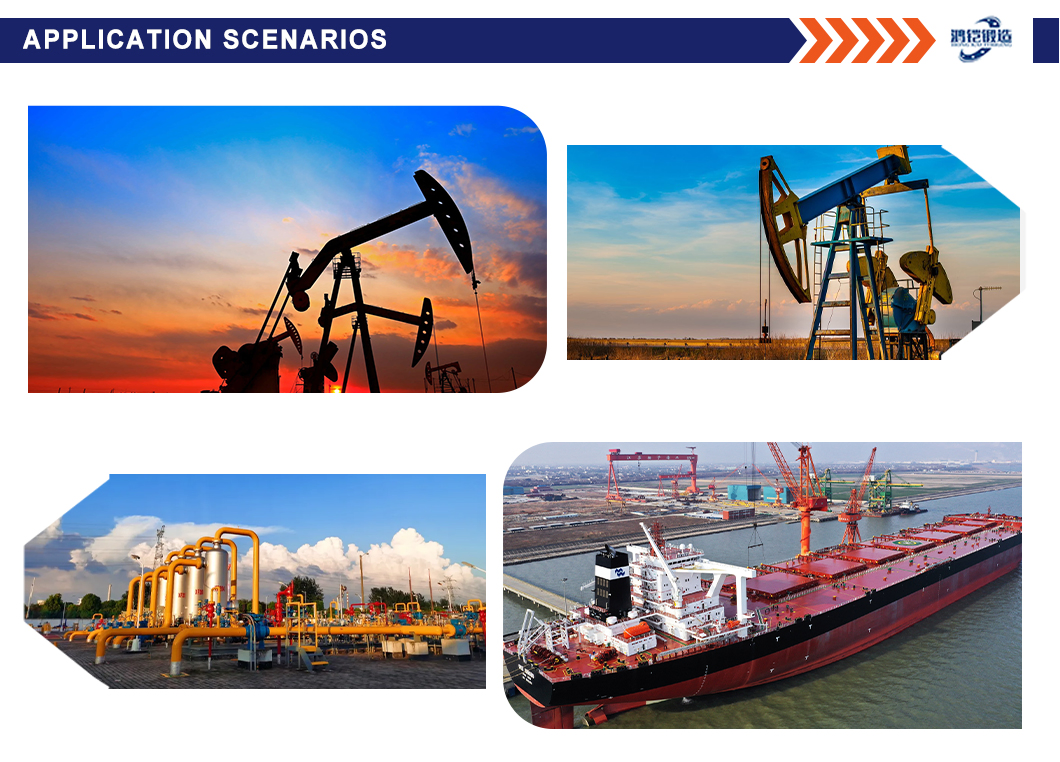
Applications
Oil and Gas Industry
EN Flanges are widely used in oil and gas transportation pipelines, processing plants, storage facilities, pump systems, valves, and auxiliary equipment connections.
Petrochemical Industry
Petrochemical plants use EN Flanges in process piping, heat exchangers, storage tanks, pressure vessels, pumps, and valve connections where reliable sealing and pressure resistance are required.
Chemical Processing
EN Flanges are suitable for chemical process pipelines carrying different fluids and gases. Stainless steel, alloy steel, and duplex stainless steel grades can be selected for corrosive environments.
Water Treatment Systems
Municipal water supply, wastewater treatment, pumping stations, filtration systems, desalination plants, and industrial water networks commonly use EN Flanges.
Power Generation
EN Flanges are used in steam, cooling water, condensate, feedwater, and auxiliary piping systems in power plants and industrial energy facilities.
Marine and Shipbuilding
Marine engineering and shipbuilding projects use EN Flanges for seawater, fuel, cooling, drainage, ballast, and utility piping systems.
General Industrial Piping
EN Flanges are also widely used in HVAC, machinery manufacturing, food processing, pressure equipment, industrial plants, and general piping installations.
PRODUCTION PROCESS
Our EN Flanges are manufactured through a controlled production process from raw material inspection to final shipment.
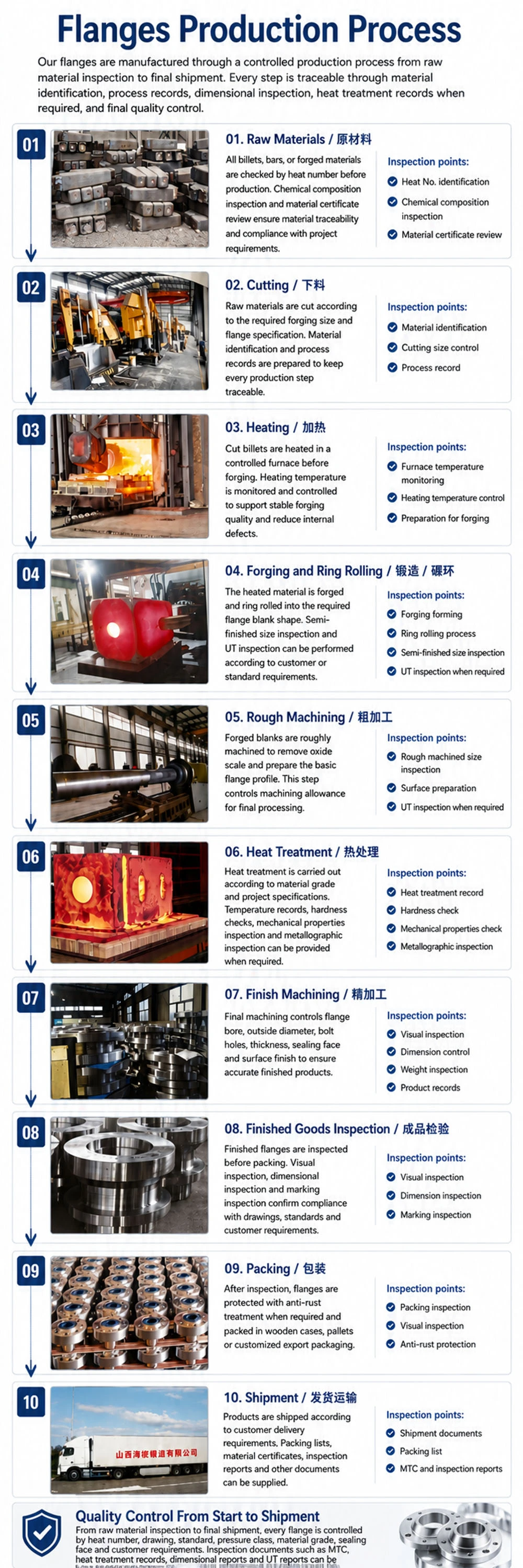
Each manufacturing stage is monitored through material identification, dimensional control, process inspection, and final quality verification.
This process helps ensure accurate dimensions, correct bolt-hole arrangements, reliable sealing surfaces, stable mechanical properties, and compliance with applicable EN standards and customer specifications.
Why Choose Us
EN Standard Manufacturing Capability
We manufacture EN Flanges according to EN 1092-1 and related European dimensional requirements. products can be supplied according to nominal diameter, PN rating, flange type, sealing surface, material, and customer specifications.
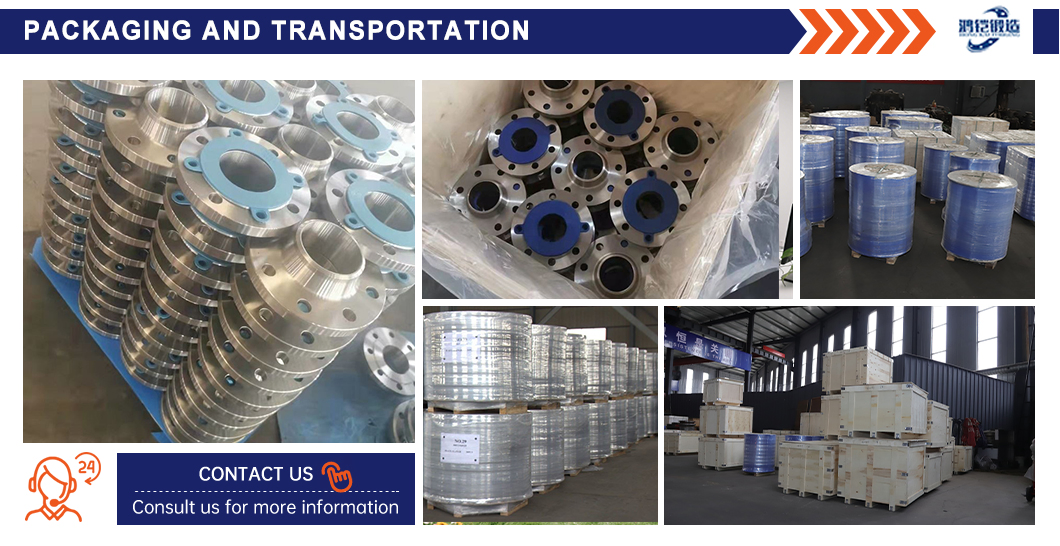
Comprehensive Production Capabilities
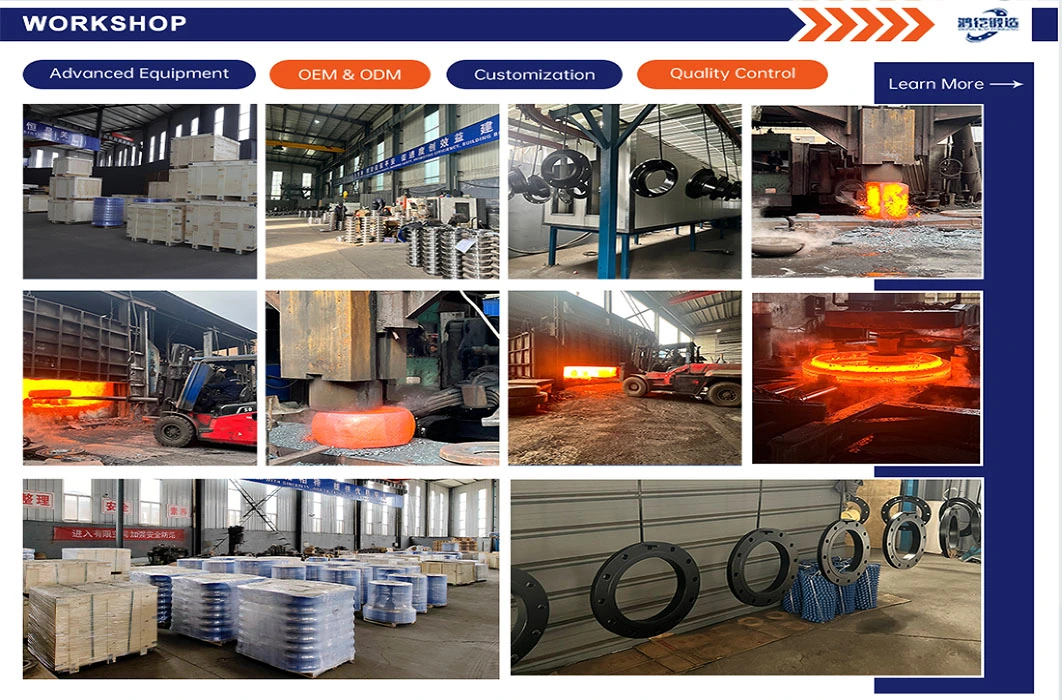
Our production system covers forging, heat treatment, CNC machining, drilling, testing, marking, surface treatment, packaging, and shipment, allowing consistent quality control throughout manufacturing.
Extensive Size and Pressure Range
We supply EN Flanges in a wide range of nominal diameters and pressure ratings to meet the requirements of different pipeline systems, equipment, and engineering projects.
Multiple Material Options
Available materials include carbon steel, stainless steel, alloy steel, duplex stainless steel, and other special grades according to operating environments and technical specifications.
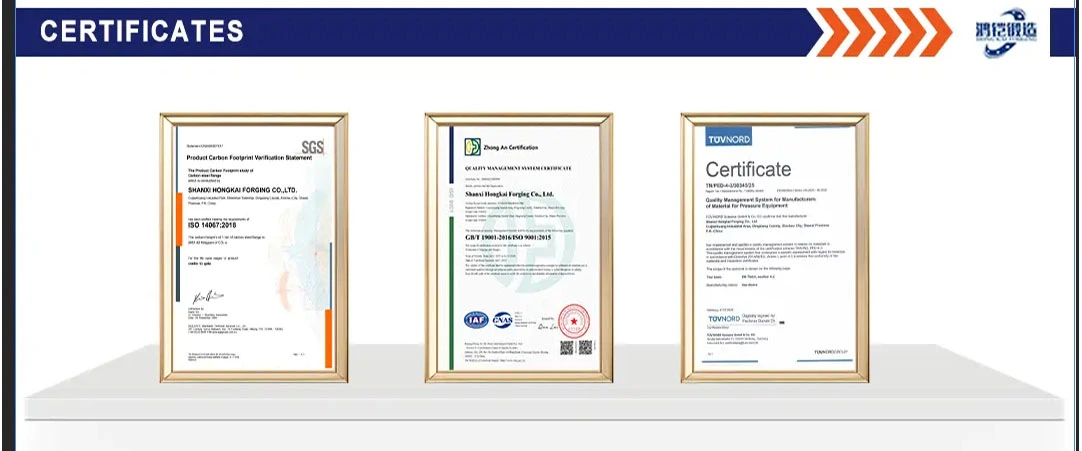
Quality Assurance
Each EN Flange undergoes dimensional and visual inspection before shipment. Chemical analysis, mechanical testing, PMI, UT, MT, hardness testing, and third-party inspection can also be provided when required.
Customized Manufacturing
Besides standard EN Flanges, we can manufacture customized flange dimensions, drilling patterns, sealing surfaces, thicknesses, materials, coatings, and markings according to drawings and technical requirements.
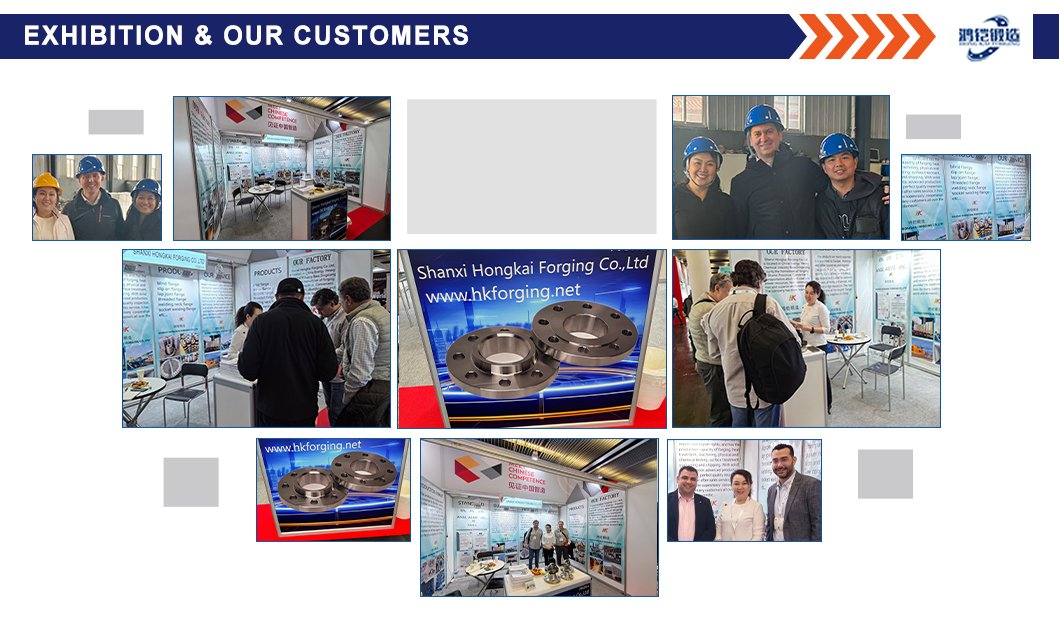
International Supply Experience
Our flange products are supplied to customers in Europe, the Americas, Asia, and other international markets. We understand different inspection, documentation, packaging, and project requirements.
COMPANY PROFILE
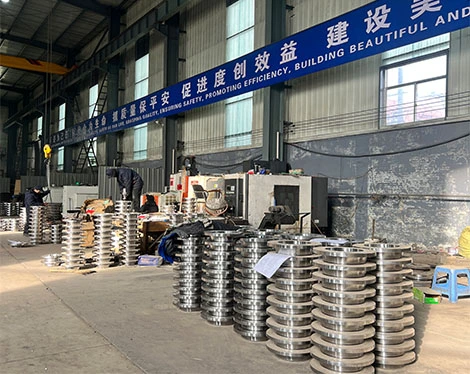
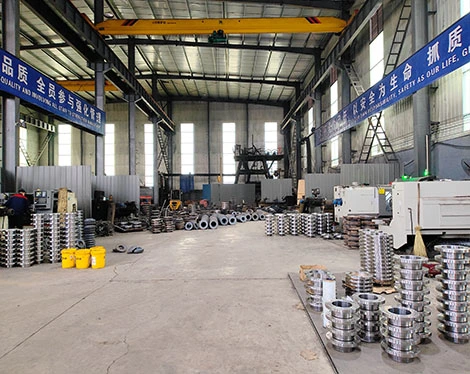
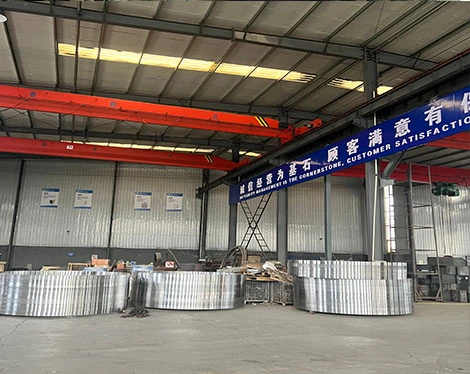
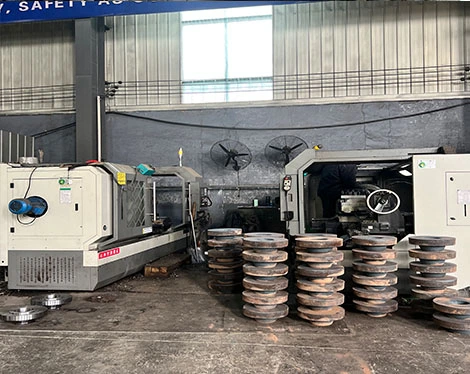
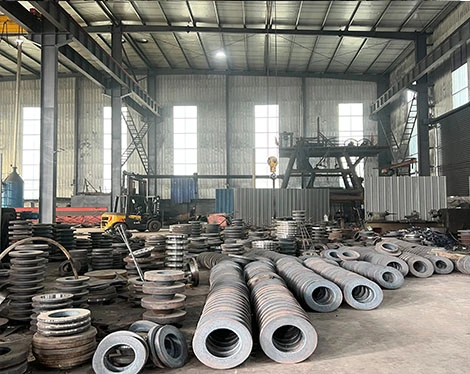
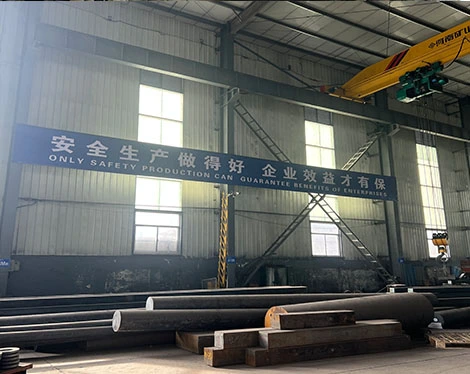
Shanxi HongKai Forging Co., Ltd. is located in Dingxiang County, Shanxi Province, China, an important flange and forging manufacturing base.We specialize in the production of forged flanges and industrial forging products for international piping and engineering markets.Our manufacturing capabilities cover forging, heat treatment, machining, drilling, physical and chemical testing, surface treatment, marking, packaging, and shipment.We manufacture EN Flanges in different types, pressure ratings, dimensions, materials, and sealing configurations. Our products can be supplied according to EN, DIN, ASME/ANSI, JIS, GOST, BS, and other international standards.
FAQ
What are EN Flanges?
EN Flanges are piping connection components manufactured according to European standards. EN 1092-1 is one of the main standards used for steel flanges and specifies flange types, dimensions, nominal pressure ratings, bolt patterns, and sealing surfaces.
What is EN 1092-1?
EN 1092-1 is a European standard covering circular steel flanges for pipes, valves, fittings, and accessories designated by nominal pressure PN.
What pressure ratings are available for EN Flanges?
Common EN flange ratings include PN2.5, PN6, PN10, PN16, PN25, PN40, PN63, PN100, and PN160. Available pressure ratings depend on flange type, nominal diameter, and material.
What types of EN Flanges are available?
Common types include Weld Neck Flanges, Plate Flanges, Blind Flanges, Threaded Flanges, Loose Flanges, and Lap Joint Flanges.
What materials are available for EN Flanges?
EN Flanges can be manufactured from carbon steel, stainless steel, alloy steel, duplex stainless steel, and other special materials according to project and operating requirements.
What is the difference between EN Flanges and DIN Flanges?
DIN Flanges are historically based on German standards, while EN Flanges follow harmonized European standards. Many older DIN flange standards have been replaced or incorporated into European standards such as EN 1092-1, although DIN terminology remains widely used in international trade.
Where are EN Flanges commonly used?
EN Flanges are widely applied in oil and gas, petrochemical, chemical processing, water treatment, power generation, shipbuilding, HVAC, machinery, and general industrial piping systems.
Can you manufacture customized EN Flanges?
Yes. We can manufacture EN Flanges according to customer drawings and technical specifications, including customized dimensions, sealing faces, drilling patterns, materials, coatings, and markings.
Can you provide inspection certificates?
Yes. Material Test Certificates, chemical composition reports, mechanical test reports, dimensional inspection reports, PMI, UT, MT, and third-party inspection documentation can be supplied according to project requirements.
Contact Us
Looking for reliable EN Flanges for your piping or engineering project?
Contact our technical team at kevin.zhao@hkflange.com for product selection, technical support, customized manufacturing, and competitive quotations.
Clear Communication, and Reliable Technical Support